Design of advanced hydrogen fuel-cell powered aircraft targeting the deployment of sustainable and decarbonised air mobility (AURORA)
Project summary
The AURORA project aims to generate design criteria and methods for designing Innovative Air Mobility solutions powered by Fuel Cell Systems for which there are no clear nor feasible pure battery-powered alternatives due to weight, endurance, or range constraints.
Motivation and background
The aviation industry plays a crucial role in our interconnected world, facilitating global trade, fostering tourism, and enabling people to connect across vast distances. However, this vital industry is also a significant contributor to greenhouse gas emissions, with aviation responsible for a substantial portion of anthropogenic radiative forcing. In this context, the development of net zero aeronautical technologies in Europe emerges as a pivotal undertaking, offering the promise of reducing carbon emissions and ushering in a more sustainable future for air travel.
Objectives
The general objective of project AURORA is to establish design criteria and methodologies for Innovative Air Mobility (IAM) and Advanced Air Mobility (AAM) solutions powered by Fuel Cell Systems, specifically targeting scenarios where pure battery-powered alternatives are unfeasible due to weight, range, or endurance constraints. To achieve this, the proposal defines the following specific goals:
- SO1–SO4: Develop design criteria and methods for the general aircraft architecture, the propulsion system, the power plant system, and the energy storage system.
- SO5: Formulate a virtual vehicle simulation platform to design the whole IAM/AAM solution, simulate full missions, and optimise control strategies.
- SO6: Identify optimal aircraft designs for at least three specific missions involving varied payloads and ranges, both manned and unmanned.
- SO7: Benchmark the proposed solutions against pure-battery and hybrid internal combustion engine power plants in terms of mission capabilities and Life Cycle Assessment (LCA).
Methodology
The project adopts a computational and parallelised engineering approach that integrates advanced modelling, simulations, and experimental testing across nine interconnected work packages. The operational methodology is structured as follows:
- Problem Definition & Initial Layout (WP1): Detailed definition of four specific mission scenarios and the initial architectural design candidates.
- Parallel Design Iterations (WP3–WP6): Sizing, parametric space optimisation, and closed-loop evaluation of the aircraft architecture, propulsion systems, power generation, and energy storage.
- Virtual Platform Development & Simulation (WP2 & WP7): Integration of a preliminary design tool and a high-fidelity mission simulation platform incorporating polarisation curves, fuel cell degradation models, and equivalent consumption minimisation strategies.
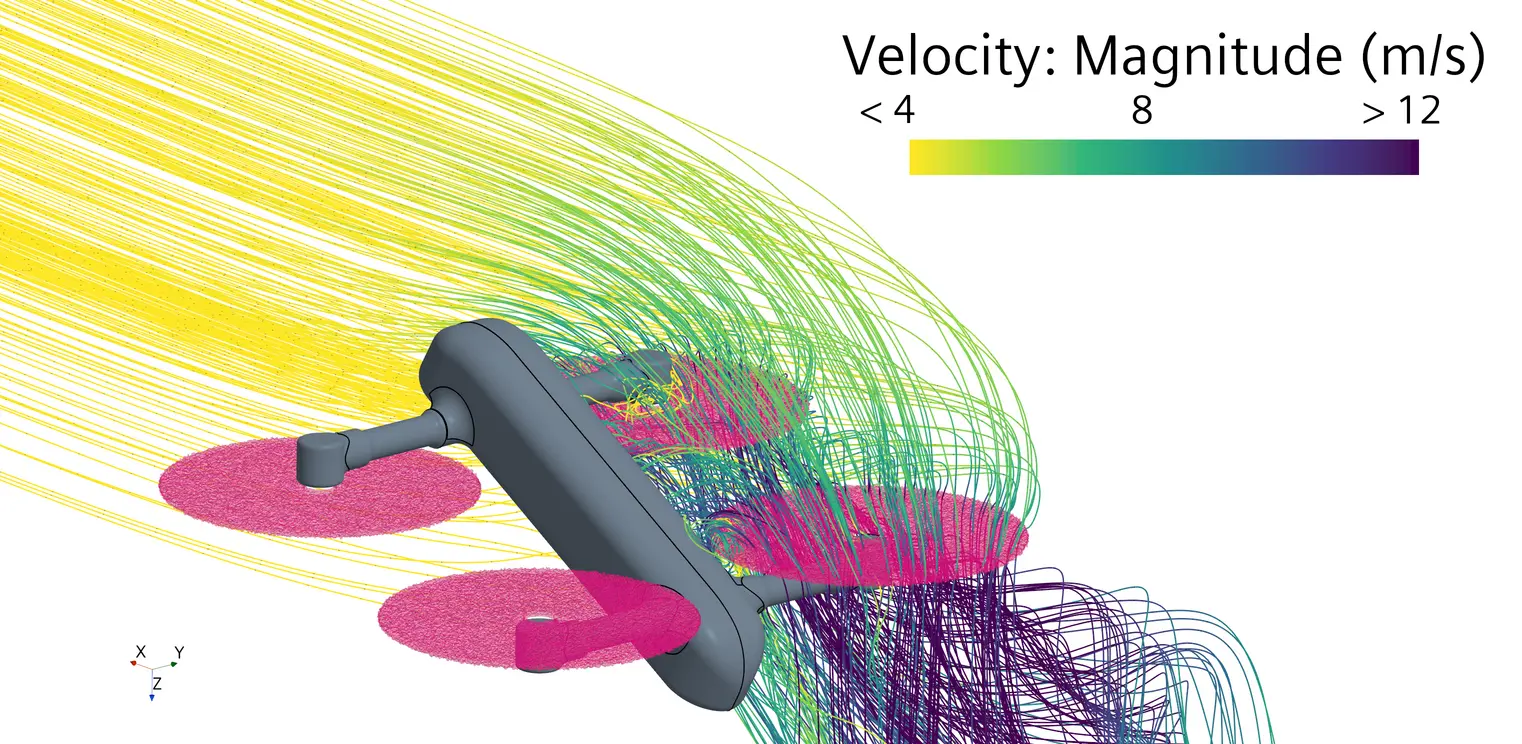
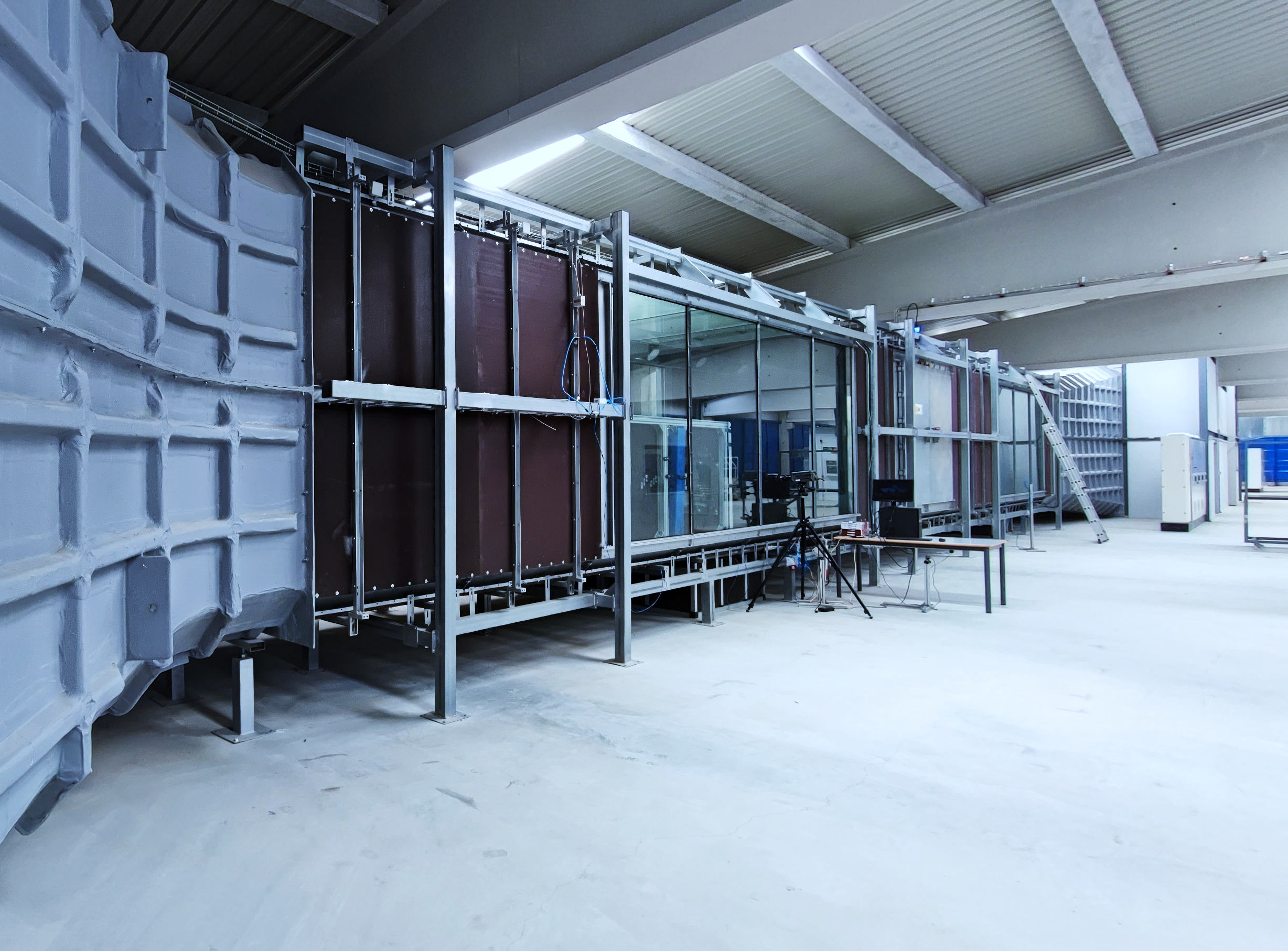
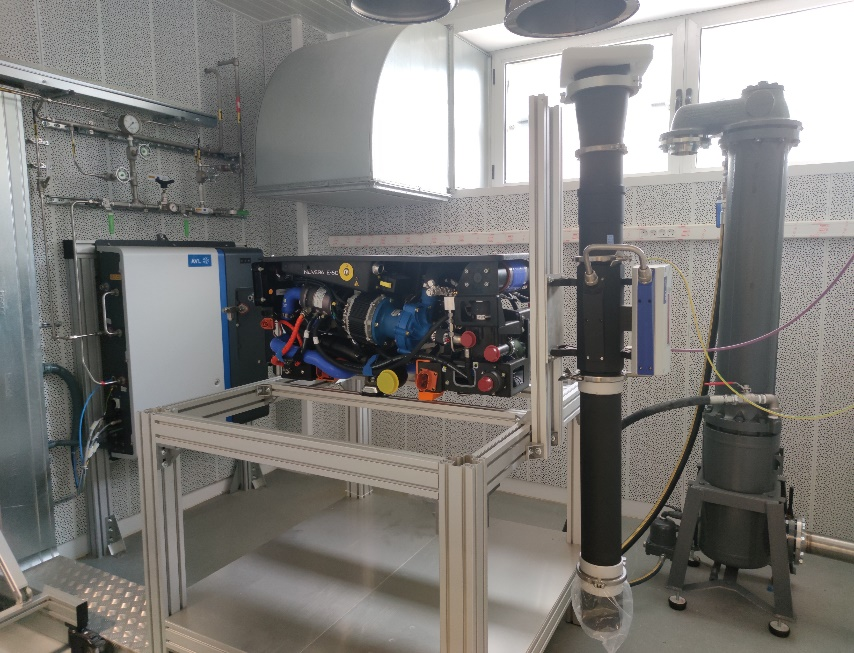
- Experimental Validation (WP2 & WP7): Wind tunnel tests utilising advanced experimental techniques, alongside steady-state and transient fuel cell stack evaluation using a dedicated 200 kW facility.
- Alternative Benchmarking & LCA (WP8): Sizing alternative battery-electric or hybrid configurations for performance comparisons, coupled with life cycle emissions tracking using state-of-the-art and industry-standard software.

Infrastructure
- CMT-UPV “Professor Francisco Payri” Wind Tunnel (2.8 x 2.8 x 22 m, up to 33 m/s).
- Fuell cell laboratories, including a full-system stand with 200 kW of capacity.
- HPC Clusters for high-fidelity simulations.

latest posts
| Aug 27, 2026 | Second journal paper published |
|---|---|
| May 26, 2026 | Second AURORA Student Open Week |
| Apr 16, 2026 | Dora Naya Pons presents her Aurora TFG |
selected publications
-
ConferenceImpact of the fuel cell propulsion system design on performance, durability, and environmental impact for advanced air mobilityIn Aerospace Europe Conference (AEC) and Conference of the Council of European Aerospace Societies (CEAS), Dec 2025