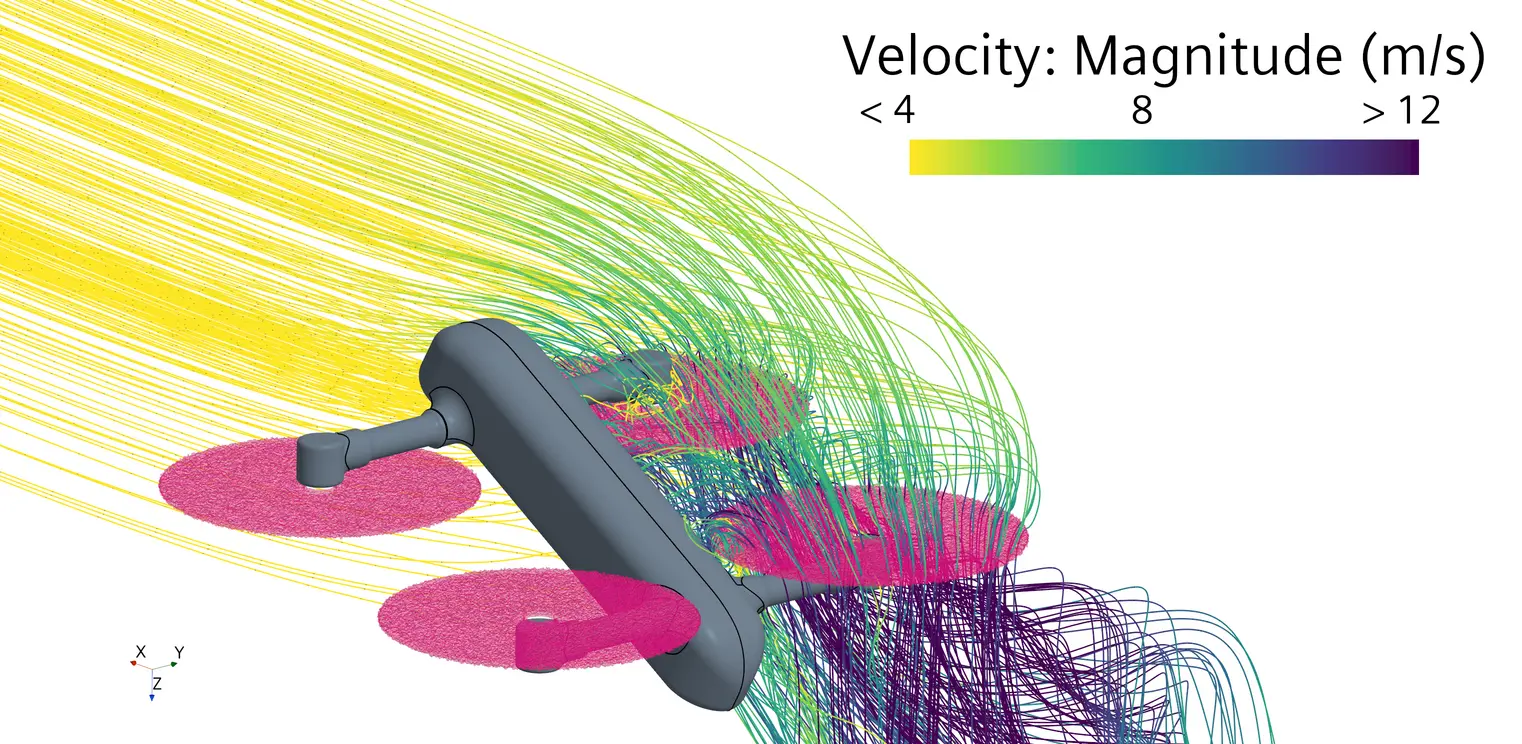
Design of advanced hydrogen fuel-cell powered aircraft targeting the deployment of sustainable and decarbonised air mobility (AURORA)

Project summary
The AURORA project aims to generate design criteria and methods for designing Innovative Air Mobility solutions powered by Fuel Cell Systems for which there are no clear nor feasible pure battery-powered alternatives due to weight, endurance, or range constraints.
Motivation and background
The aviation industry plays a crucial role in our interconnected world, facilitating global trade, fostering tourism, and enabling people to connect across vast distances. However, this vital industry is also a significant contributor to greenhouse gas emissions, with aviation responsible for a substantial portion of anthropogenic radiative forcing. In this context, the development of net zero aeronautical technologies in Europe emerges as a pivotal undertaking, offering the promise of reducing carbon emissions and ushering in a more sustainable future for air travel.
Objectives
- TODO
Methodology
TODO
- TODO

Infrastructure
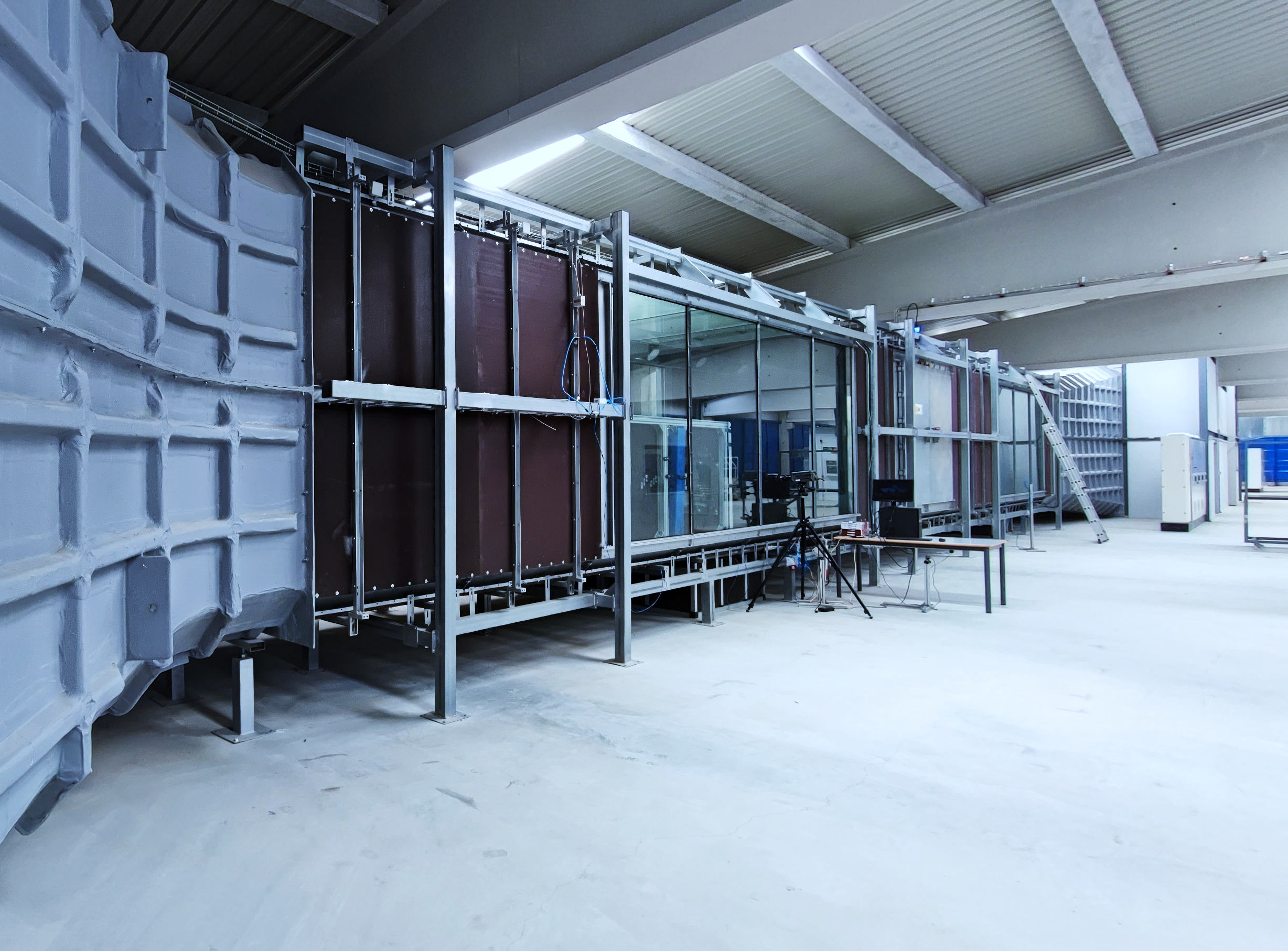
- CMT-UPV “Professor Francisco Payri” Wind Tunnel (2.8 x 2.8 x 22 m, up to 33 m/s).
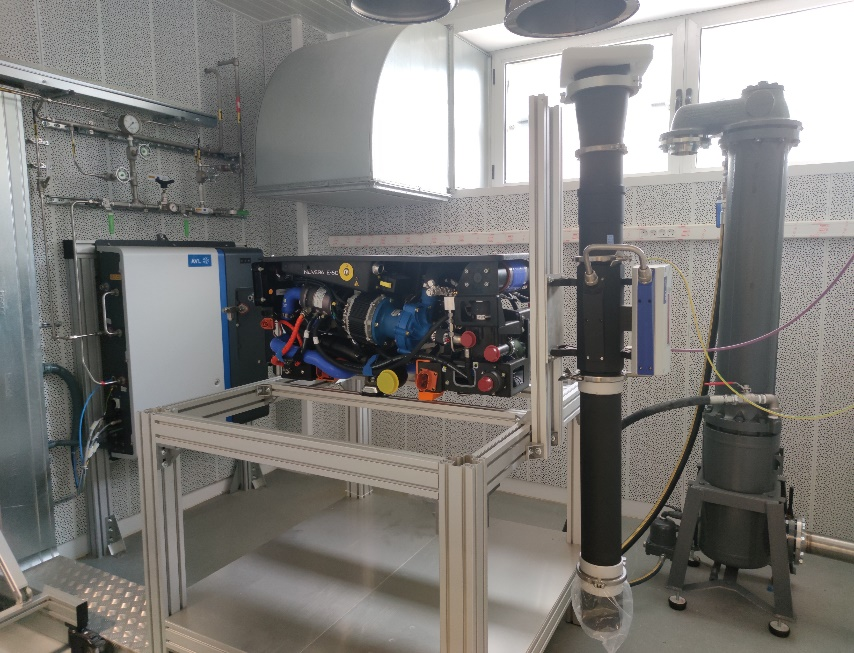
- Fuell cell laboratories, including a full-system stand with 200 kW of capacity.
- HPC Clusters for high-fidelity simulations.

latest posts
| Feb 02, 2026 | First journal paper published |
|---|---|
| Oct 11, 2025 | Student visit |
| Sep 01, 2025 | Néstor Alcañiz Brull joins AURORA! |